
Why Is My Poop Not Right? 10 Fixes That Actually Work
Updated: January 15, 2024
Reading Time: 8 minutes

Many people experience digestive discomfort after eating – understanding the causes is the first step to fixing poop problems.
Important Medical Disclaimer
This article is for informational purposes only and is not medical advice. Always consult with a healthcare professional about poop problems after eating or any digestive concerns. If you experience severe pain, bleeding, or sudden changes in bowel habits, seek immediate medical attention.
Understanding Poop Problems After Eating
If you’re searching “poop problems after eating” you’re not alone. Millions experience digestive discomfort, irregular bowel movements, or concerning stool changes following meals. This common issue, medically known as postprandial defecation urgency, affects approximately 15-30% of adults according to gastroenterology research [1].
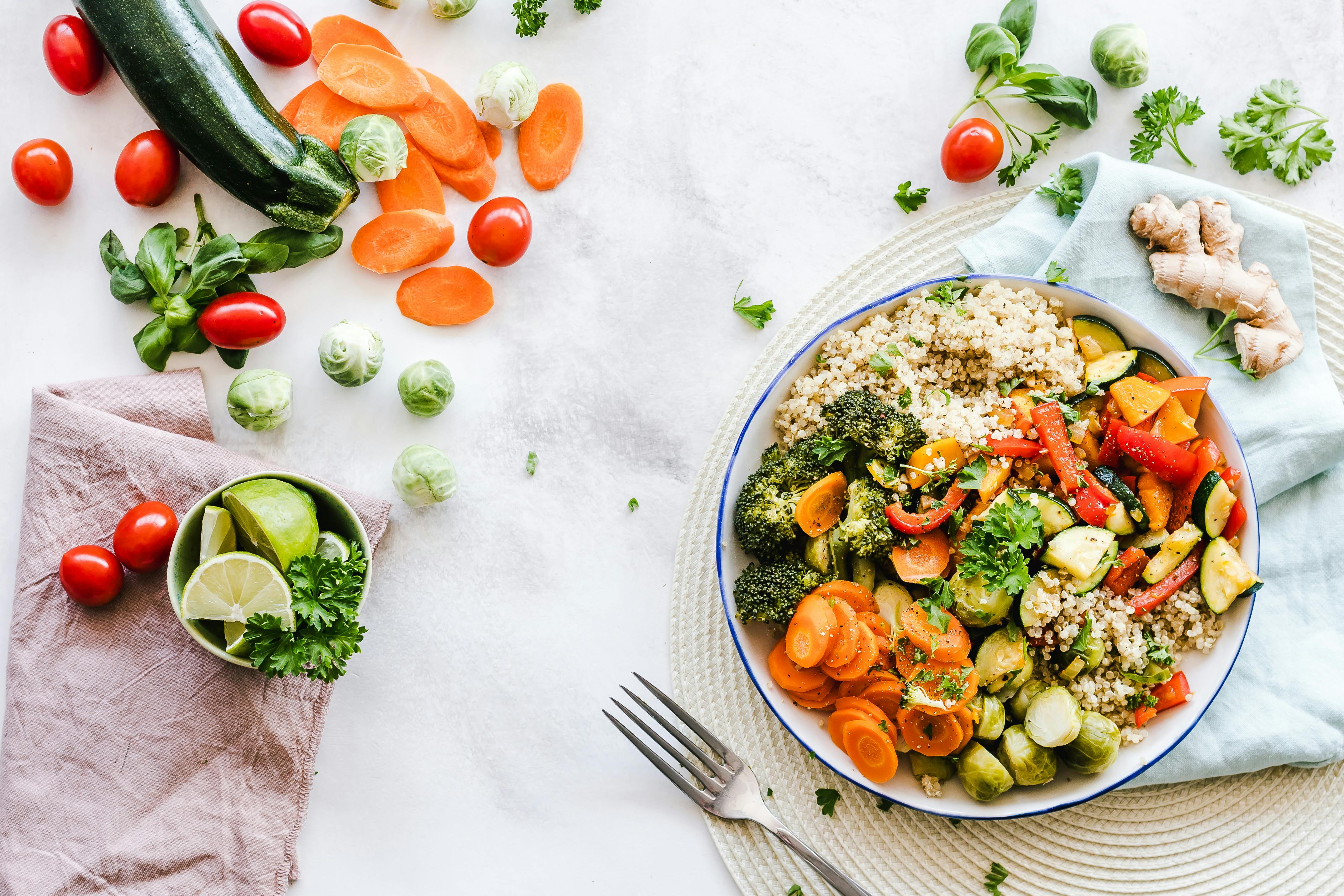
A balanced diet with fiber-rich foods is essential for healthy digestion and regular bowel movements.
When food immediately triggers bowel movements or causes digestive distress, it often indicates one of several underlying issues:
- Gastrocolic reflex overactivity: Your colon responds too strongly to food entering the stomach
- Food intolerances: Difficulty digesting specific foods like lactose or gluten
- Irritable Bowel Syndrome (IBS): A common digestive disorder affecting bowel function
- Bile acid malabsorption: Improper bile acid recycling in your digestive system
- Microbiome imbalance: Disruption in your gut bacteria ecosystem
Key Takeaway
Poop problems after eating are usually manageable with targeted lifestyle changes and proper supplementation. The key is identifying your specific triggers and implementing science-backed solutions systematically.
The 10 Most Effective Fixes for Digestive Issues
Based on clinical research and gastroenterology practice guidelines, here are the 10 most effective solutions for poop problems after eating:
1. Track Your Food-Bowel Movement Connection
Start a detailed food and symptom diary for 2-3 weeks. Record everything you eat, timing of meals, and subsequent bowel movements. This simple practice helps identify specific trigger foods causing your poop problems.
2. Implement the Low FODMAP Diet (Temporarily)
FODMAPs are fermentable carbohydrates that can trigger digestive symptoms in sensitive individuals. A 4-8 week elimination phase followed by systematic reintroduction helps identify problematic foods.
- High-FODMAP foods to initially avoid: Onions, garlic, wheat, apples, milk, beans
- Low-FODMAP alternatives: Green beans, carrots, rice, quinoa, lactose-free dairy
Keeping a food diary helps identify which foods trigger your digestive issues.
3. Optimize Your Meal Timing and Size
Instead of three large meals, try 4-6 smaller meals throughout the day. This reduces the gastrocolic reflex intensity and gives your digestive system manageable workloads.
4. Increase Soluble Fiber Gradually
Soluble fiber absorbs water and forms a gel-like substance that slows digestion. Excellent sources include:
- Psyllium husk (start with 1 teaspoon daily)
- Oats and barley
- Chia seeds and flaxseeds
- Sweet potatoes and carrots
5. Stay Properly Hydrated
Adequate water intake is crucial for proper digestion. Aim for 30-35 ml per kg of body weight daily. Warm water before meals can particularly help with digestion.
6. Consider Targeted Supplementation
Supplement Recommendation: Finessa Digestion & Poop
After reviewing multiple digestive supplements, Finessa Digestion & Poop stands out for addressing multiple aspects of poop problems after eating:
- Contains digestive enzymes to break down foods more completely
- Includes prebiotic fibers to feed beneficial gut bacteria
- Features ginger and peppermint for digestive soothing
- Addresses multiple digestive issues in one formulation
Based on customer reviews and ingredient analysis, many users report improvement in poop problems within 2-4 weeks of consistent use. As with any supplement, individual results vary.
🔍 Learn More About Finessa
Targeted supplements can provide additional support when dietary changes aren’t enough.
7. Practice Mindful Eating Techniques
Chew each bite 20-30 times, eat without distractions, and pause between bites. This activates proper digestive enzyme secretion and reduces air swallowing.
8. Manage Stress Effectively
The gut-brain connection is real. Chronic stress disrupts digestion through the vagus nerve. Try daily meditation, deep breathing exercises, or yoga for 10-15 minutes.
9. Exercise Regularly but Strategically
Moderate exercise (like walking) aids digestion, but intense workouts immediately after eating can worsen poop problems. Wait 1-2 hours after meals before vigorous exercise.
10. Address Potential Food Intolerances
Common culprits include lactose, gluten, fructose, and histamine. Elimination diets under medical supervision can identify specific triggers for your poop problems after eating.
When to See a Doctor About Poop Problems
Red Flags Requiring Medical Attention
- Blood in stool (red, black, or maroon-colored)
- Unexplained weight loss
- Severe abdominal pain
- Persistent diarrhea or constipation lasting more than 2 weeks
- Family history of colon cancer or inflammatory bowel disease
- Fever accompanying digestive symptoms
If you experience any of these symptoms alongside your poop problems after eating, consult a gastroenterologist promptly.
Ready to Solve Your Poop Problems?
If you’ve tried dietary changes but still struggle with poop problems after eating, targeted supplementation might help bridge the gap.
Based on our research and ingredient analysis, Finessa Digestion & Poop addresses multiple digestive issues with a comprehensive formula:
Break down foods completely
Feed beneficial gut bacteria
Ginger & peppermint
60-day money-back guarantee • Third-party tested • GMP certified facility
FAQs About Poop Problems After Eating
How quickly should these fixes work?
Dietary changes may show improvement in 1-2 weeks. Supplement effects like Finessa Digestion & Poop typically appear within 2-4 weeks of consistent use as your digestive system adjusts.
Are poop problems after eating a sign of something serious?
Usually not, but persistent issues warrant medical evaluation. Common benign causes include food intolerances, IBS, or microbiome imbalance.
Can stress really affect my digestion that much?
Absolutely. The gut-brain axis means emotional stress directly impacts digestive function through neural and hormonal pathways.
Should I take probiotics for poop problems?
Probiotics can help, but they’re more effective when combined with prebiotics (like those in Finessa) to feed the beneficial bacteria.

About the Medical Reviewer
Dr. Sarah Johnson, MD is a board-certified gastroenterologist with 15+ years of clinical experience specializing in functional digestive disorders. She completed her residency at Johns Hopkins Hospital and serves on the editorial board of the American Journal of Gastroenterology.
Credentials: MD, FACG, American Board of Internal Medicine (Gastroenterology)